(314) 850-3913
BOOK NOW
  • FESTUS, MO
  • ST LOUIS, MO
ENT Specialist St Louis – Sinus Allergy & Sleep Care FestusENT Specialist St Louis – Sinus Allergy & Sleep Care FestusENT Specialist St Louis – Sinus Allergy & Sleep Care FestusENT Specialist St Louis – Sinus Allergy & Sleep Care Festus
  • HOME
  • SINUS
    • Sinus Treatment Services
    • Sinus Infection Treatment
    • Balloon Sinuplasty
    • Sinus Quiz
    • LATERA® Nasal Implant
    • Turbinate Reduction
    • Clarifix® For Chronic Rhinitis
  • ALLERGY
    • Allergy Treatment Services
    • Allergy Treatment
    • Allergy Testing
    • Allergy Drops
    • EpiPen
  • GENERAL ENT
    • Ear, Nose and Throat Treatment
    • Septoplasty
    • Deviated Septum
    • Nasal Polyps
    • Nasal Congestion
    • Eustachian Tube Dysfunction (ETD)
    • Sleep & Snoring Treatment
  • About Us
    • James D. Gould, MD, FACS
  • Contact
  • Synergy
  • News

TURBINATE REDUCTION AT ST. LOUIS, MO

Turbinate Reduction Treatment

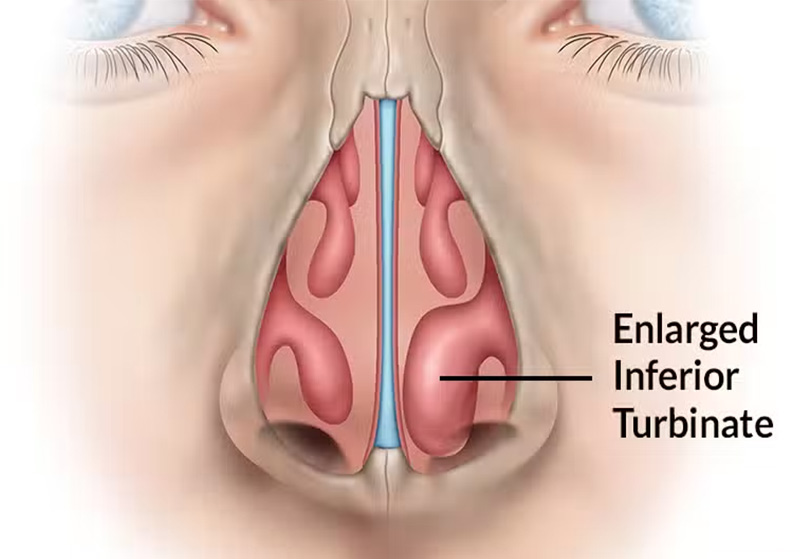
Chronic nasal congestion or a persistent stuffy nose is often caused by enlargement of the inferior turbinates, a condition called turbinate hypertrophy. Swollen turbinates can block airflow, forcing mouth breathing and sometimes affecting daily activities, sleep quality, and overall comfort.

Enlarged turbinates may contribute to headaches, snoring, and sleep issues, including obstructive sleep apnea, as the nasal airway plays a critical role in proper breathing during sleep.


Find Out What’s Causing Your Nasal Obstruction

Diagnosis of Inferior Turbinate Hypertrophy

At St. Louis Sinus Center, a diagnosis is typically made during your first visit. After reviewing your medical history and performing a physical exam, Dr. Gould uses:

  • Nasal endoscopy – a small, flexible scope that provides a detailed view of your nasal passages
  • MiniCAT Instant CT scan – advanced imaging to assess sinus anatomy and nasal structures, which may include signs of turbinate enlargement

Endoscopy remains the most effective way to evaluate mucosal swelling, while CT imaging helps map the overall sinus and nasal anatomy.

Learn more about Balloon Sinuplasty and Allergy Testing for related nasal treatments.

Non-Surgical Treatments

Many patients can manage turbinate hypertrophy without surgery. Medications used to reduce swelling and improve airflow include:

  • Nasal steroid sprays
  • Nasal antihistamine sprays
  • Oral decongestants
  • Short-term oral steroids

Environmental factors, allergies, or irritants may need to be managed alongside medication to achieve the best results.

When Surgery Is Recommended

If medications do not sufficiently relieve symptoms, a turbinate reduction procedure may be considered.

This minimally invasive surgery targets excess soft tissue in the inferior turbinates to improve nasal airflow.

Learn Whether ClariFix® May Be Right for You

Turbinoplasty Procedure

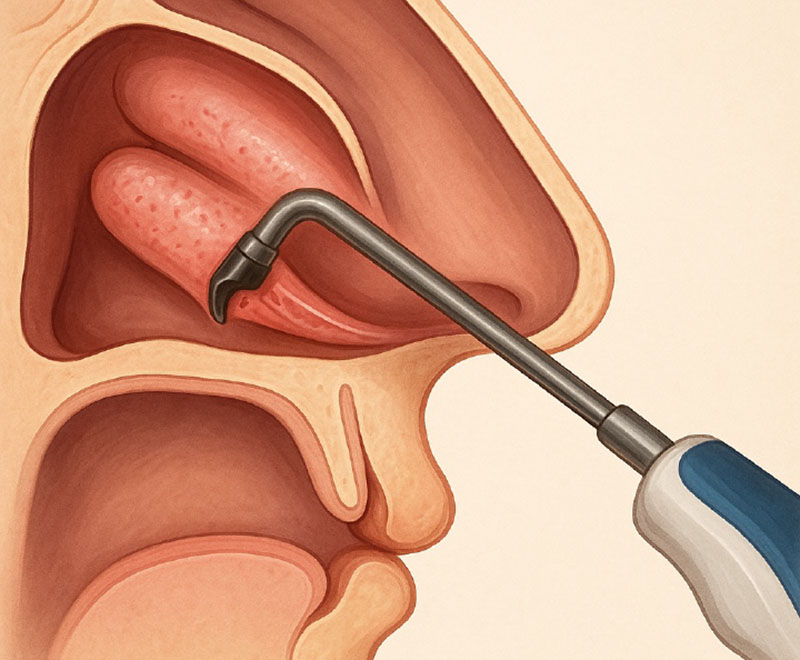
At the St. Louis Sinus Center, Dr. Gould performs a minimally invasive, in-office procedure to reduce the size of enlarged (hypertrophic) turbinates — structures inside the nose that can become swollen and contribute to nasal congestion.

Using a small wand equipped with suction, excess tissue from the inferior turbinate is carefully removed or reduced. The procedure typically takes just a few minutes and is designed to improve nasal airflow by increasing space within the nasal passage.

While some patients report noticeable breathing improvement, results can vary based on the severity of turbinate hypertrophy and other underlying sinus conditions. This procedure may be performed on its own or in combination with treatments like Balloon Sinus Dilation.

Individual experiences may vary. While many patients tolerate the procedure well, temporary discomfort, nasal dryness, or crusting may occur. Speak with your ENT provider to determine if this option is appropriate for your specific condition.

Understanding Turbinates

The turbinates are spongy, curled bones inside your nose, covered by tissue that filters, humidifies, and warms inhaled air. There are three sets:

  1. Inferior turbinates – largest, most prone to swelling
  2. Middle turbinates
  3. Superior turbinates

Healthy turbinates support nasal function and protect your respiratory system. When swollen, they can cause chronic congestion and difficulty breathing.

Causes of Turbinate Swelling

Swelling may result from:

  • Allergies
  • Environmental irritants (smoke, chemicals, dust)
  • Temperature changes
  • Recurrent sinus infections

Persistent irritation or untreated conditions such as a deviated septum can lead to chronic enlargement, potentially requiring surgical intervention.

Take the First Step Toward Managing Persistent Congestion

Recovery After Turbinate Reduction Surgery

Recovery varies depending on procedure extent:

  • Nasal congestion may persist for several days
  • Mild crusting or yellow/bloody discharge is normal for a week or so
  • Discomfort is usually manageable with over-the-counter pain relief (avoid aspirin or NSAIDs)
  • Most patients return to normal activity in 1–2 weeks
  • Post-operative care includes saline sprays and following detailed aftercare instructions

Many patients report breathing improvement shortly after the procedure, though experiences vary depending on individual healing and symptom patterns.

Safety and Results

Turbinate reduction is safe and minimally invasive. The procedure removes only excess soft tissue and does not alter the nose’s shape.

Long-Term Relief: For some patients, turbinate reduction may support long-term symptom improvement — particularly when contributing factors such as allergies are also managed. However, recurrence is possible, especially if underlying conditions like allergies or environmental irritants are not effectively managed.

Schedule Your Evaluation Today

Frequently Asked Questions

What is turbinate reduction surgery?

A minimally invasive procedure to remove excess tissue from the inferior turbinates, improving nasal airflow.

Will turbinate surgery change how my nose looks?

No. Only soft tissue is removed; the bone and cartilage structure are preserved.

How long is recovery after turbinate reduction?

Most patients recover within 1–2 weeks, with minor congestion and crusting during the first several days.

Schedule a Consultation

If chronic nasal congestion or turbinate hypertrophy affects your life, schedule a consultation with St. Louis Sinus Center. Take the first step toward clearer breathing and better sleep

Schedule Your Consultation Today

Individual results may vary.

The effectiveness of treatments can differ based on individual circumstances.

OUR LOCATIONS

LADUE LOCATION

1588 S. Lindbergh Blvd #210
St. Louis, MO 63131

PHONE

(314) 450-7720

FESTUS LOCATION

1390 Highway 61 Suite 3100 Festus, MO 63028

PHONE

(314) 450-7720

QUICK LINKS

HOME

SINUS

ALLERGY TREATMENT

GENERAL ENT

ABOUT US

CONTACT US

  • Privacy Policy
  • Terms & Conditions
  • Accessibility
© Copyright 2026 St. Louis Sinus Center | All Rights Reserved
  • CALL US
    (314) 850-3913
  • Home
  • SCHEDULE ONLINE
  • SINUS
    • Sinus Treatment Services
    • Sinus Infection Treatment
    • Balloon Sinuplasty
    • Sinus Quiz
    • LATERA® Nasal Implant
    • Turbinate Reduction
    • Clarifix® For Chronic Rhinitis
  • Allergy
    • Allergy Treatment Services
    • Allergy Treatment
    • Allergy Testing
    • Allergy Drops
    • EpiPen
  • General ENT
    • Ear, Nose and Throat Treatment
    • Septoplasty
    • Deviated Septum
    • Nasal Polyps
    • Nasal Congestion
    • Eustachian Tube Dysfunction (ETD)
    • Sleep & Snoring Treatment
  • About Us
    • James D. Gould, MD, FACS
  • Contact
  • Synergy
  • News
  • Privacy Policy
  • Terms & Conditions
  • Accessibility
ENT Specialist St Louis – Sinus Allergy & Sleep Care Festus